
Kids usually make up their minds about the dentist before they even get in the chair. Studies in pediatric psychology and dentistry agree: those first few moments—what kids see, how the dentist acts—set the tone for how anxious they’ll feel, how much they’ll cooperate, and how they’ll think about the dentist later on. Adults mostly look for professionalism and a clean workspace. For kids, it’s all about feelings, sights, and how the dentist comes across.
Let’s break down what shapes kids’ first impressions and how dentists can use that to help kids feel at ease, trust the process, and actually work with them—without all the fear.
1. Dentist’s Appearance
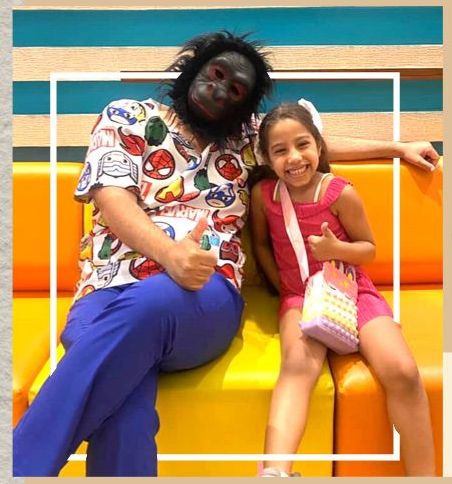
Kids pick up on what they see right away. The way a dentist looks—clean, kind, not scary—makes a big difference. If a dentist dresses in a way that feels friendly and safe, most kids will relax a little. If the look is too clinical or stiff, especially with younger kids, it can be intimidating. So, aiming for a neat but approachable style helps keep fear in check.
2. Dental Attire and Clothing Style
Research shows most children like it better when dentists wear fun, colorful scrubs or uniforms with patterns, instead of plain medical clothes. Colorful or playful attire makes the place feel less like a hospital and more like somewhere safe. The trick is to mix professionalism with warmth—kids spot the difference.
3. The White Coat: Fear vs. Trust
The white coat has a bit of a reputation. Some kids see it and get nervous—that’s the “white coat effect.” But interestingly, a lot of kids also connect the white coat with someone who knows what they’re doing, especially if the dentist smiles and talks gently. A white coat doesn’t have to look boring or scary either. If it’s short-sleeved, has a splash of color, or a little kid-friendly detail, it keeps that sense of trust without making kids feel anxious.
4. Cartoon-Themed or Playful Elements

Dentists who dress with little cartoon touches or wear playful accessories usually see more relaxed kids. These little details help distract kids from their fear, make them laugh, and keep them focused on something positive. That boost in mood means kids cooperate more and don’t feel so anxious about the whole experience.

5. Age-Related Preferences
What works for one age group doesn’t always work for another. Younger kids go for bright colors, cartoons, and anything playful. As they get older, kids want the dentist to look professional, but still friendly—nothing too childish, but not cold either. When dentists keep these preferences in mind, it’s easier to get through to kids at any age, without losing that professional edge.
6. Clinic Environment and Visual Atmosphere
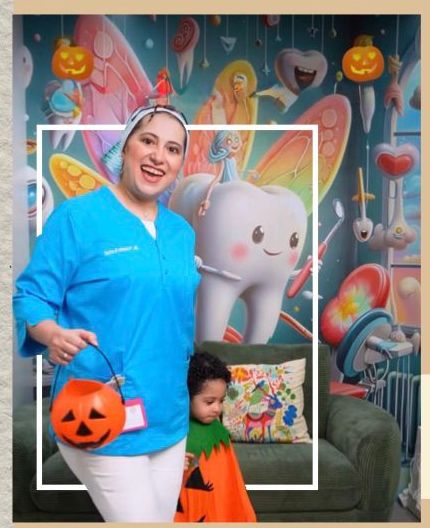
The dental office itself matters. Bright colors, kid-friendly decorations, toys, and things to look at lower the threat level for kids. Research backs this up: when the clinic feels fun and welcoming, kids are less anxious, behave better, and are happier to come back next time. The right environment works hand-in-hand with the dentist’s appearance to help kids feel safe.
7. How the Dentist Receives the Child
Looks matter, but what really counts is those first few minutes when dentist and child meet. When dentists greet kids warmly, crouch down to their level, and show real empathy, kids open up. They’re less likely to panic or fight treatment, and they’re less likely to develop long-term dental fears. A calm voice, gentle movements, and clear, simple explanations make a huge difference—before anyone even mentions a dental tool.
Conclusion

There’s no single thing that shapes a child’s first impression at the dentist—it’s more like a whole package. How the dentist looks, what they wear, their white coat (or not), the vibe of the clinic, playful touches, age-appropriate choices, and—most of all—how the dentist welcomes the child, all come together to set the stage.
When these pieces fit, a dental visit stops being scary and starts feeling safe. In the end, the real work of pediatric dentistry starts way before the first tool is picked up.
References (Visible Sources)
- American Academy of Pediatric Dentistry (AAPD). Behavior Guidance for the Pediatric Dental Patient.
https://www.aapd.org/research/oral-health-policies–recommendations/behavior-guidance-for-the-pediatric-dental-patient/ - Klingberg, G., & Broberg, A. G. (2007). Dental fear/anxiety and dental behaviour management problems in children and adolescents. International Journal of Paediatric Dentistry.
https://onlinelibrary.wiley.com/doi/10.1111/j.1365-263X.2007.00872.x - AlSarheed, M. (2011). Children’s perception of their dentists. European Journal of Dentistry.
https://www.ncbi.nlm.nih.gov/pmc/articles/PMC3140809/ - Howard, K. E., & Freeman, R. (2007). An evaluation of the perception of dentists, by children. British Dental Journal.
https://www.nature.com/articles/4814158 - Rachman, S. (1990). Fear and Courage. W.H. Freeman & Company – applied widely in pediatric dental anxiety research.
